
Uninterruptible Power System
An Uninterruptible Power System (UPS) is a critical electrical solution designed to provide continuous and reliable power supply during power outages, voltage fluctuations, or electrical disturbances. It ensures uninterrupted operation of sensitive equipment by supplying backup power instantly when the main power source fails. UPS systems are widely used in data centers, hospitals, industrial facilities, commercial buildings, telecommunication networks, and critical infrastructure where power reliability is essential.
A UPS system consists of key components including batteries, rectifiers, inverters, and control circuits that work together to maintain stable voltage and frequency. When utility power is available, the UPS conditions and regulates the electrical supply while charging its batteries. In the event of a power failure or instability, the UPS automatically switches to battery power without interruption, protecting connected equipment from shutdown, data loss, or damage.
UPS systems are available in various configurations such as offline (standby), line-interactive, and online (double conversion) systems, each designed to meet different load requirements and levels of protection. Online UPS systems offer the highest level of protection by continuously supplying power through the inverter, ensuring zero transfer time and maximum power quality.
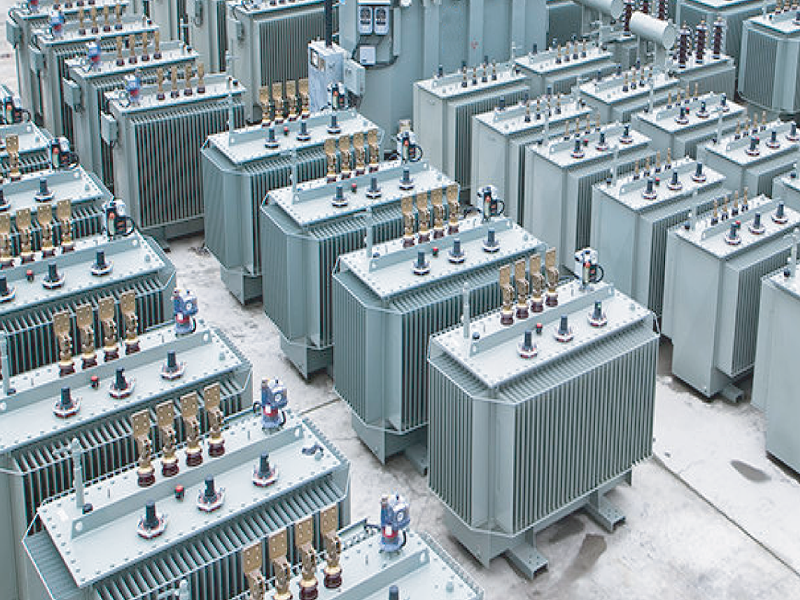
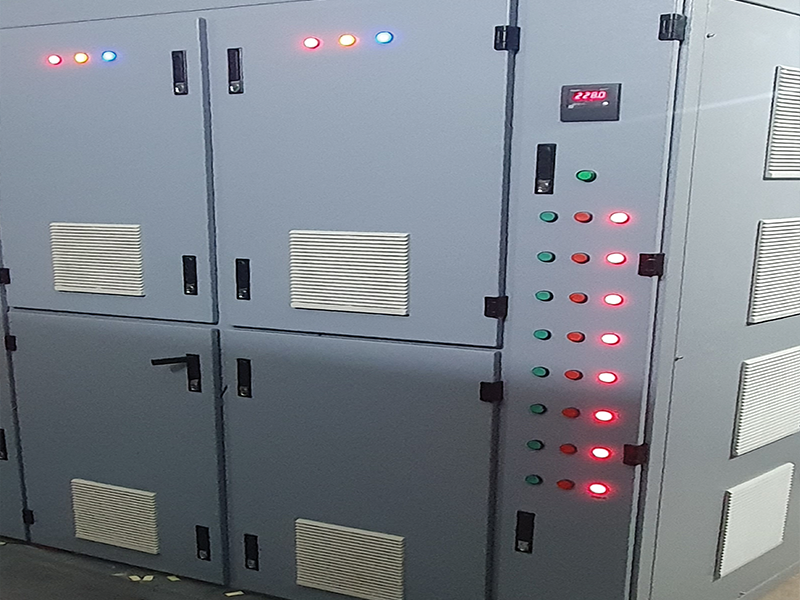
From an efficiency standpoint, modern Uninterruptible Power Systems (UPS) are designed to deliver reliable power while minimizing energy losses. High-efficiency power electronics, advanced battery management systems, and intelligent monitoring technologies work together to optimize energy usage and enhance overall performance. These features help regulate voltage and frequency, improve power quality, and extend battery life, ensuring smooth and stable operation even during fluctuations or disturbances in the main power supply. By providing clean and consistent power, UPS systems protect sensitive equipment from surges, spikes, harmonics, and electrical noise that could otherwise cause malfunction or long-term damage.
Beyond technical performance, UPS systems also offer strong economic benefits. By preventing unexpected downtime, data loss, and equipment failure, they help organizations avoid costly interruptions and operational losses. Continuous power availability is critical for environments such as data centers, hospitals, industrial facilities, and commercial buildings where even short power outages can have serious consequences. Modern UPS systems are typically modular and scalable, allowing businesses to expand capacity as demand increases without replacing the entire system. With proper maintenance, real-time monitoring, and timely battery replacement, a UPS provides long service life, dependable operation, and excellent return on investment, making it an essential component of modern power infrastructure.