
Distribution Board
A Distribution Board (DB) is a critical component of an electrical power distribution system, responsible for safely distributing electricity from the main power source to multiple outgoing circuits within a building or facility. It acts as a central control point where electrical power is managed, monitored, and protected, ensuring safe and reliable operation of all connected electrical loads. Distribution boards typically house essential protective devices such as miniature circuit breakers (MCBs), molded case circuit breakers (MCCBs), residual current devices (RCDs), and isolators.Distribution boards are widely used in residential, commercial, and industrial environments, including offices, hospitals, shopping malls, factories, and infrastructure projects. By organizing electrical circuits in a structured and accessible manner, distribution boards enhance system safety, simplify maintenance, and improve operational efficiency. Each circuit is individually protected, allowing faults to be isolated quickly without affecting the entire electrical system, thereby reducing downtime and improving safety.
Modern distribution boards are designed to comply with international electrical standards and safety regulations. They support proper load distribution and phase balancing, which helps minimize power losses, prevent overheating, and improve overall energy efficiency. Advanced designs offer modular configurations that allow easy expansion and system upgrades as power requirements increase. Compact construction also makes distribution boards suitable for installations where space is limited.
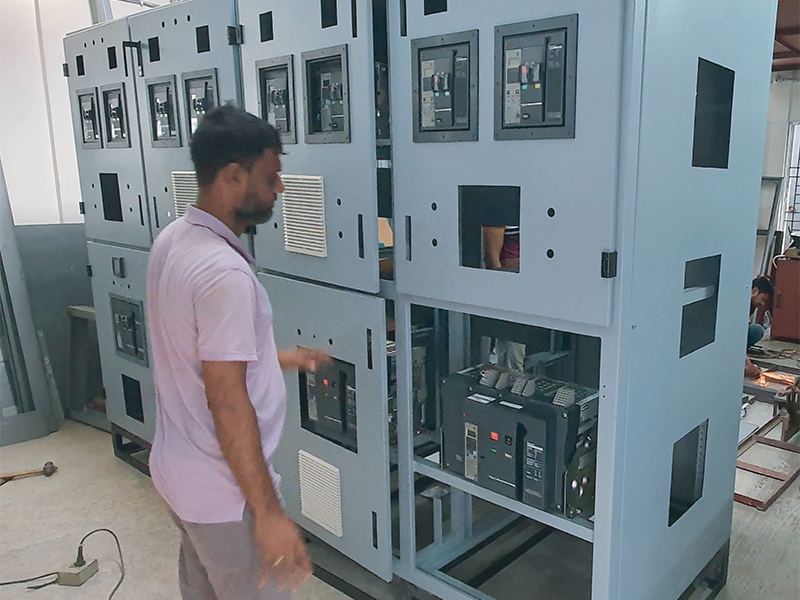
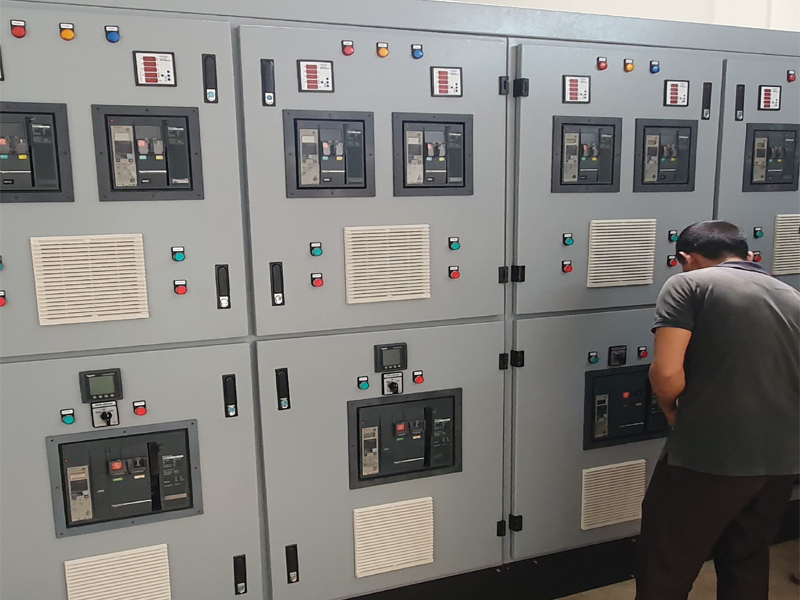
From a safety perspective, distribution boards play a critical role in protecting both electrical equipment and personnel from potential hazards such as overloads, short circuits, and earth leakage. By incorporating protective devices including circuit breakers, residual current devices (RCDs), and isolators, distribution boards ensure rapid fault detection and automatic disconnection of affected circuits. This significantly reduces the risk of electrical fires, shocks, and accidents. In addition, properly designed distribution boards help maintain full compliance with national and international electrical safety standards, creating a safer operating environment in residential, commercial, and industrial facilities.From an economic standpoint, a well-designed distribution board contributes to lower maintenance and operating costs. Proper circuit segregation and clear labeling allow quick identification of faults, enabling faster repairs and minimizing downtime and operational disruptions. Controlled and stable power distribution also helps protect connected equipment from electrical stress, extending the service life of appliances, machinery, and sensitive electronic systems. This reduces the frequency of equipment failures and the need for costly replacements.Modern distribution boards are manufactured using durable enclosures, high-quality components, and robust internal wiring to ensure long-term reliability. When installed by qualified professionals, they deliver consistent performance even under demanding load conditions. Their modular and scalable design allows easy future expansion, making distribution boards a reliable and cost-effective solution for evolving electrical systems.