
Automatic Voltage Regulator
An Automatic Voltage Regulator (AVR) is an essential electrical device designed to maintain a stable and consistent voltage level to electrical equipment, regardless of variations in input supply or load conditions. In many power systems, voltage fluctuations are common due to grid instability, load changes, or external disturbances. An AVR continuously monitors the input voltage and automatically adjusts it to deliver a safe, regulated output voltage, ensuring reliable and efficient operation of connected equipment. The primary function of an AVR is to protect sensitive electrical and electronic devices from the harmful effects of overvoltage, undervoltage, surges, and voltage dips. Equipment such as computers, medical devices, industrial machinery, communication systems, and automation controls require a stable power supply to function properly. Sudden voltage changes can lead to malfunctions, data loss, reduced efficiency, or permanent damage. By stabilizing the voltage, an AVR significantly extends the lifespan of equipment and reduces the risk of unexpected failures. Modern AVRs are designed with advanced control circuits, high-quality transformers, and solid-state components that enable fast response and precise regulation. They can handle wide input voltage ranges and deliver smooth, steady output even under rapidly changing load conditions. Many AVRs also include built-in protection features such as overload protection, short-circuit protection, thermal protection, and surge suppression, enhancing overall system safety.
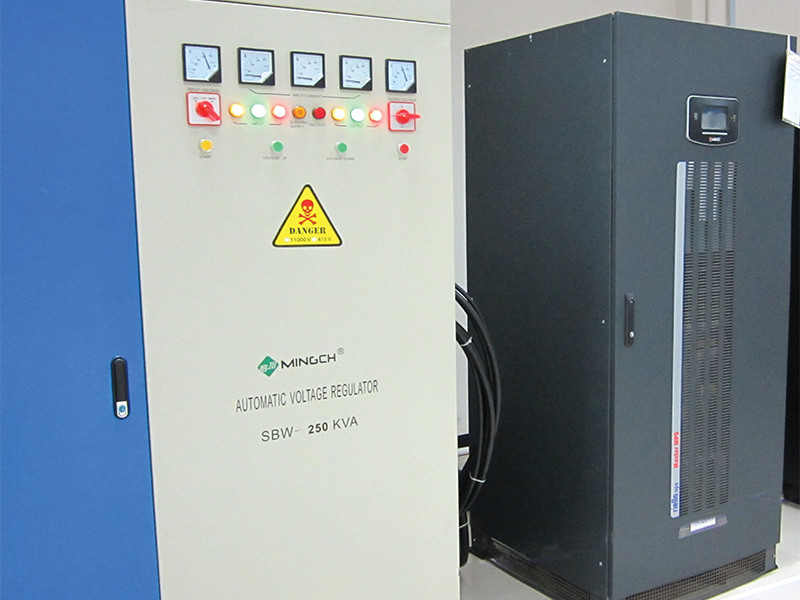
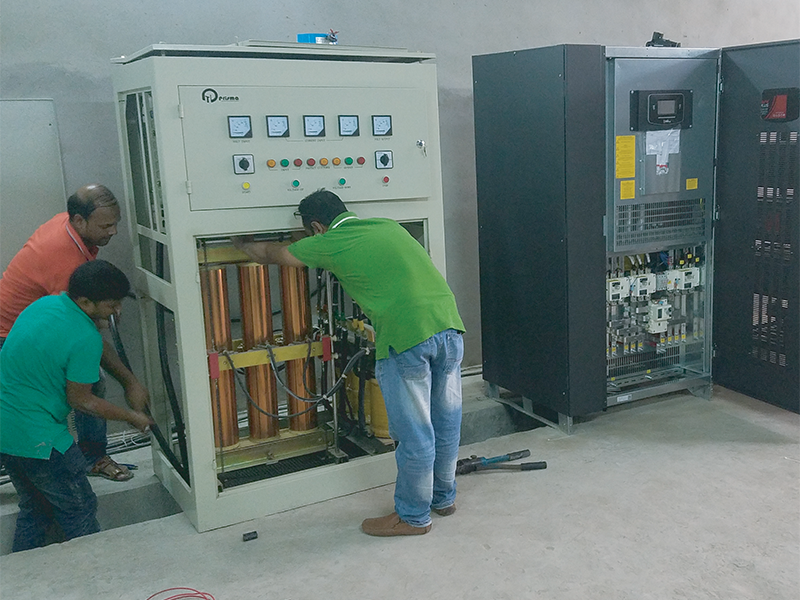
From an operational and economic perspective, the use of an Automatic Voltage Regulator (AVR) significantly reduces maintenance costs and downtime caused by voltage fluctuations. In industrial and commercial environments, stable voltage supply improves process efficiency, ensures consistent product quality, and protects machinery from damage due to overvoltage or undervoltage conditions. By minimizing electrical stress on equipment, AVRs help extend the service life of motors, control panels, and sensitive electronic devices, ultimately reducing repair and replacement expenses.In residential applications, AVRs play an important role in ensuring the safe and reliable operation of household appliances such as refrigerators, air conditioners, televisions, and computers, particularly in areas where the power supply is unstable. By maintaining a constant voltage level, AVRs protect appliances from sudden surges and drops that could otherwise cause malfunction or permanent damage.AVRs are widely used in generators, power distribution systems, renewable energy installations, and critical infrastructure where voltage stability is essential. They are available in both single-phase and three-phase configurations, allowing them to be customized for different load capacities and application requirements. Their adaptability makes them suitable for a wide range of electrical systems.In summary, an Automatic Voltage Regulator plays a vital role in maintaining power quality, safeguarding valuable equipment, and ensuring uninterrupted operations. Its ability to deliver consistent and stable voltage makes it an indispensable component of modern electrical and power systems.