Sub-Station Equipment
Sub-station equipment plays a vital role in the transmission and distribution of electrical power. A sub-station is a critical part of the power system where electrical energy is received at high voltage, controlled, protected, and then transformed to suitable voltage levels for safe and reliable distribution to end users. The overall reliability, safety, and efficiency of an electrical network largely depend on the quality, proper selection, and maintenance of sub-station equipment.
One of the most important components of a sub-station is the power transformer. Transformers are responsible for stepping up or stepping down voltage levels to reduce transmission losses and ensure efficient power delivery across long distances. They are designed for continuous operation under varying load conditions and are equipped with cooling systems such as oil or air cooling to manage heat. In addition, transformers include protection relays, temperature sensors, and monitoring devices that help detect faults, overloads, or abnormal conditions, ensuring safe and stable performance.
Switchgear is another essential element of sub-station equipment. It includes circuit breakers, isolators, load break switches, busbars, and protective relays. Switchgear is used to control, protect, and isolate electrical circuits during both normal operation and fault conditions. Circuit breakers play a critical safety role by automatically interrupting the power supply during overloads, short circuits, or earth faults, preventing damage to equipment and reducing the risk of fire or injury. Isolators provide visible disconnection for maintenance work, ensuring the safety of operating personnel.
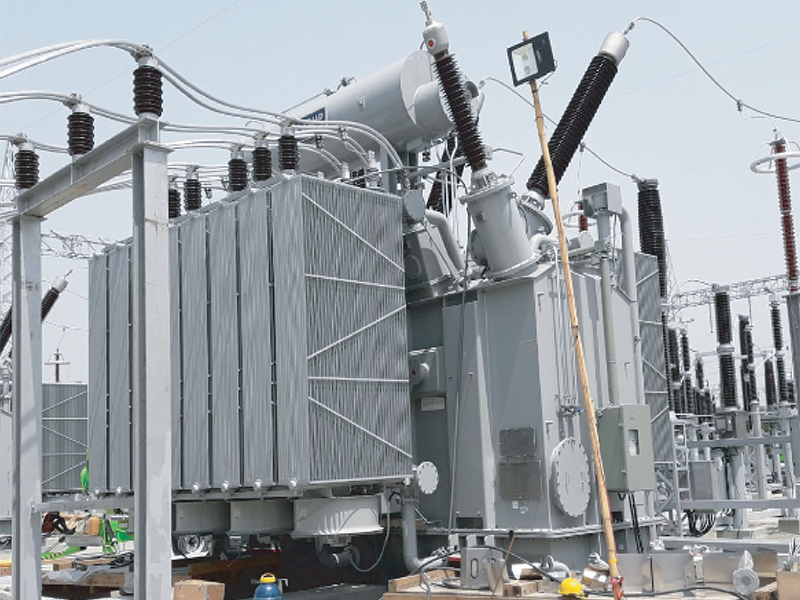
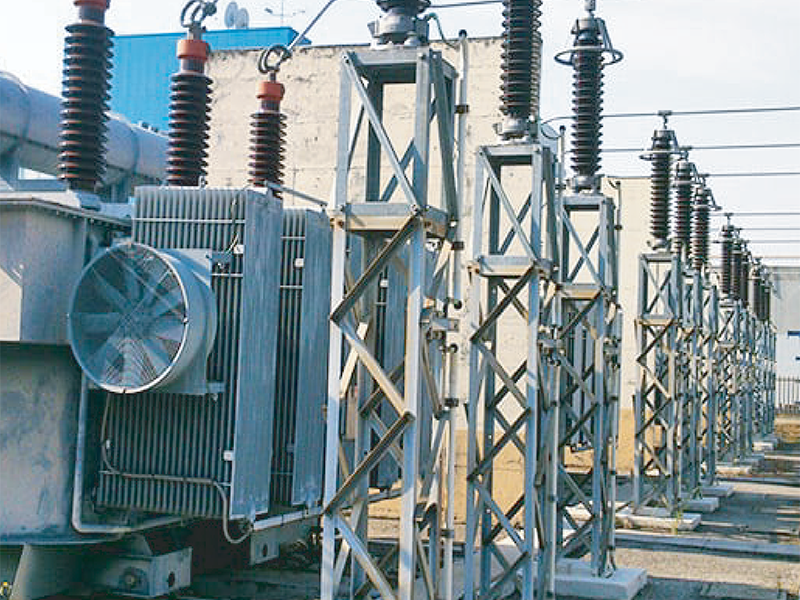
Other key sub-station equipment includes instrument transformers such as current transformers (CTs) and voltage transformers (VTs), which play a crucial role in measurement, protection, and control. CTs and VTs provide accurate electrical signals to metering devices, protection relays, and control systems, allowing operators to monitor system performance and detect abnormal conditions safely. By isolating high-voltage circuits from low-voltage control equipment, instrument transformers also enhance operational safety and reliability. Surge arresters are another vital component of sub-station systems. They protect sensitive equipment from lightning strikes and switching surges by diverting excess voltage safely to the ground. This protection helps prevent insulation failure, equipment damage, and unplanned outages, thereby extending the service life of major sub-station assets. Proper selection and placement of surge arresters are essential for effective overvoltage protection.Control and relay panels manage sub-station operations by coordinating monitoring, protection, and communication functions. These panels enable quick detection and isolation of faults, minimizing the impact on the power network and ensuring personnel safety. Modern sub-stations increasingly integrate automation and digital monitoring systems, such as SCADA and intelligent electronic devices (IEDs). These technologies support real-time monitoring, remote operation, and predictive maintenance, reducing downtime, improving efficiency, and lowering operational costs. Overall, reliable and well-maintained sub-station equipment is essential for ensuring safe, stable, and uninterrupted power supply to residential, commercial, and industrial consumers.