
Fire Detection and Protection System
A Fire Detection and Protection System is a vital safety solution designed to identify fire hazards at an early stage and take effective actions to protect human life, property, and valuable assets. Fire incidents can escalate rapidly, causing serious damage and loss within a very short time. For this reason, a reliable, well-designed, and properly maintained fire system is essential for residential, commercial, and industrial buildings to ensure safety and regulatory compliance.
The fire detection system functions by continuously monitoring the environment for signs of fire such as smoke, heat, or flames. It consists of various devices including smoke detectors, heat detectors, flame detectors, manual call points, and fire alarm control panels. When any detector senses abnormal conditions, it sends a signal to the fire alarm control panel. The panel then activates audible alarms, visual indicators, and notification devices to alert building occupants. This early warning enables safe and orderly evacuation and allows emergency response teams to act quickly before the fire spreads further.
Fire protection systems are designed to control, suppress, or extinguish fires after detection. These systems include portable fire extinguishers, automatic sprinkler systems, fire hydrants, hose reels, and specialized suppression systems such as gas-based, foam, or water mist systems. Automatic fire suppression systems operate without human intervention, helping to contain fires at their initial stage and significantly reducing damage to the building and its contents.
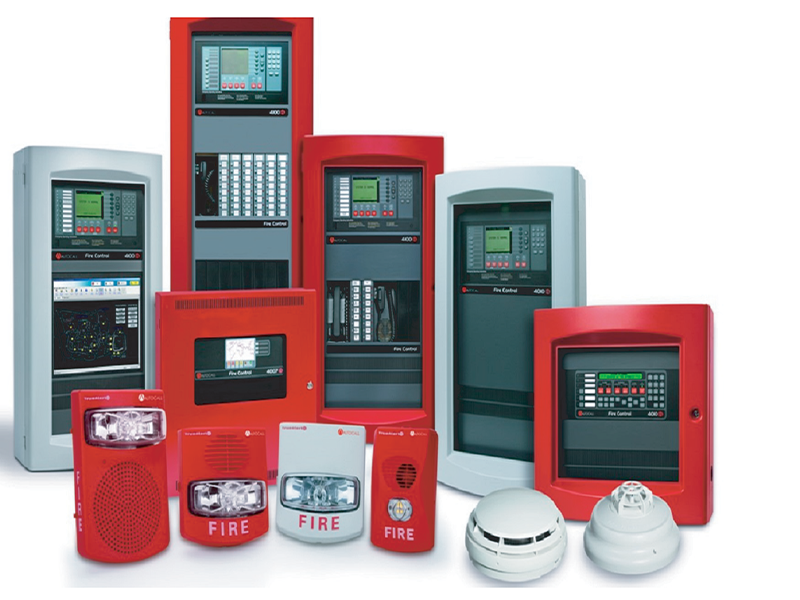
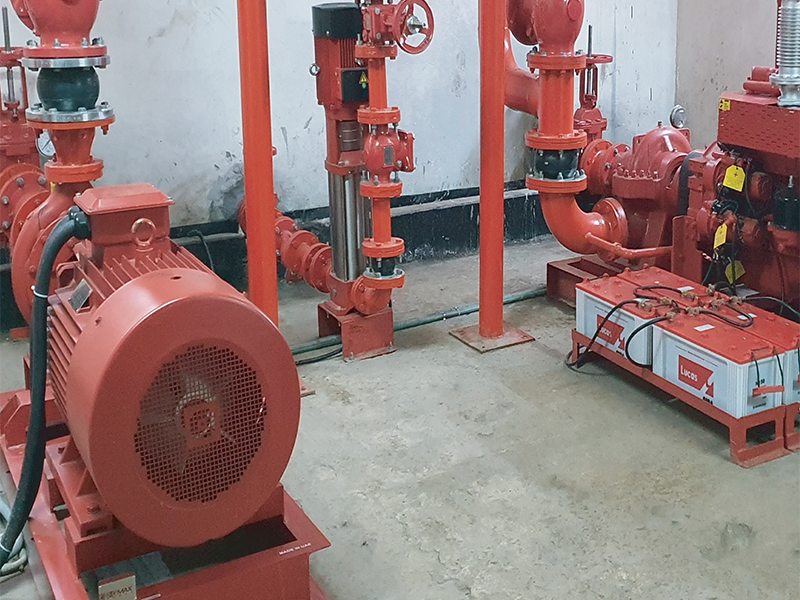
The selection of an appropriate fire protection system depends on several important factors, including the type of building, occupancy level, fire risk classification, and the nature of the assets being protected. Each environment presents unique fire hazards that require specific protection methods. For instance, gas suppression systems are ideal for data centers, server rooms, and electrical control areas where the use of water could cause serious damage to sensitive equipment. In contrast, automatic sprinkler systems are widely used in residential, commercial, and industrial buildings due to their effectiveness in controlling fires quickly and reliably. Modern fire detection and protection systems are often integrated with building management systems (BMS), emergency lighting, and access control systems. This integration enhances overall safety by enabling coordinated responses during emergencies, such as automatic door release, elevator control, and illuminated evacuation routes. Real-time monitoring and centralized control also improve response efficiency and reduce reaction time during critical situations.Beyond proper system selection and installation, regular inspection, testing, and preventive maintenance are essential to ensure long-term reliability and compliance with safety standards. Routine maintenance helps identify faults, ensures all components function correctly, and extends system lifespan. A well-designed and properly maintained Fire Detection and Protection System not only saves lives and minimizes property damage but also supports regulatory compliance, reduces insurance risks, and ensures uninterrupted business operations.